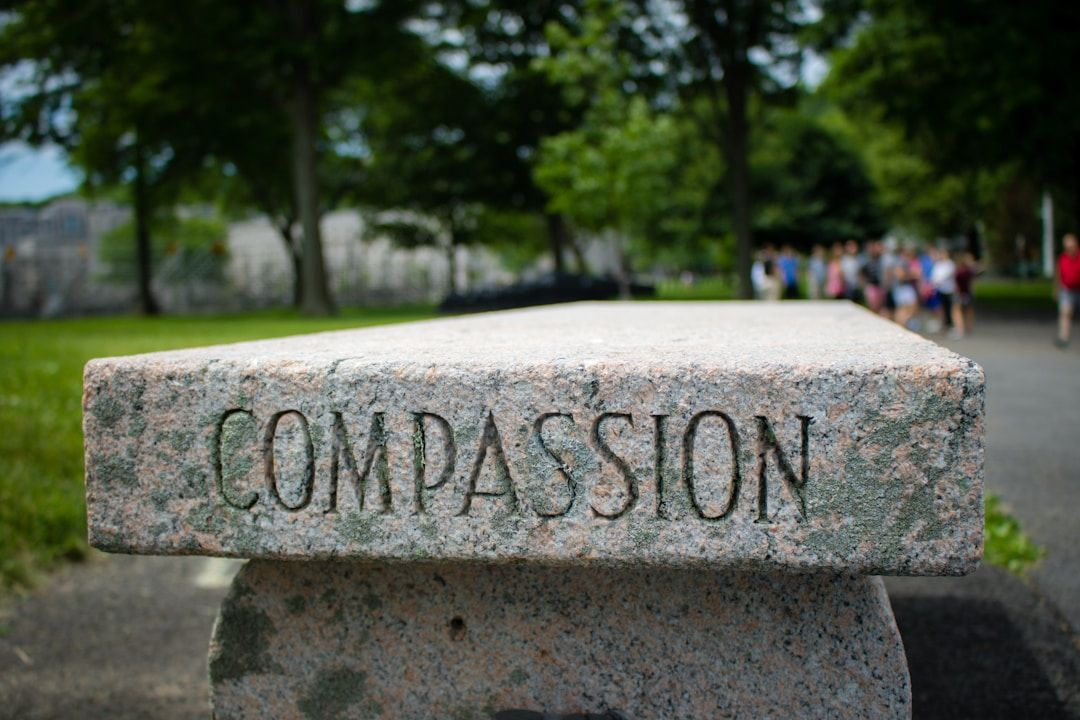
When we begin to look at compassion through the lens of trauma, it becomes even more powerful. Trauma can shape how a person sees the world, how safe they feel in relationships, and how they respond under stress. Behaviors that may seem confusing, defiant, or extreme are often rooted in experiences of fear, pain, or instability. Compassion invites us to pause before reacting, to ask what might be driving the behavior beneath the surface, and to respond in ways that create safety instead of shame. In this way, compassion becomes the bridge between understanding trauma and actively supporting healing.
Many people who have experienced trauma — especially during developmental stages in life — struggle with trust, safety, and connection. Trauma might include abuse, neglect, violence, loss, medical experiences, or other overwhelming events. There is no determining for others what is or is not traumatic, everyone responds differently to lived experiences and events. In fact, some people have experienced trauma and may not be able to even identify it as trauma or even understand what trauma is. Sometimes they can tell us what happened. Sometimes they can’t. Sometimes they choose to disclose and seek help. Sometimes they don’t. Jeannie Golden, a Board Certified Behavior Analyst, reminds us, challenging behaviors can be masks that hide trauma. When someone struggles to explain what is wrong, they may show us through their actions. This could look like aggression towards themselves or others, withdrawal, refusal, property destruction and so many other behaviors.
Trauma-informed care is not a specific program or script. It is an approach — a lens we use when supporting someone. For families and caregivers it can mean prioritizing safety and trust. For teachers and educators it can mean creating a space of reliability and peace. For human service providers it can mean teaching skills and reinforcing healthy habits. Remember, everyone’s needs are different and can quickly change. So, it’s really about finding what a person needs right there in that moment.
To be providing care that is not only trauma-informed, but also compassionate, we need to start with building relationships. When building relationships, we should go beyond the simple pleasantries of “Where do you live?” “Do you have kids?” “What are your hobbies” and instead expand on who they are as a person. It’s the little things that can really go a long way, for example, using someone's preferred name and pronouns, respecting personal space, following through on promises and asking permission to join an activity or engage in conversation. Building relationships is about capitalizing on a person’s interests and showing up for them in ways that matter to them. Trust - and respect - are not given, they are earned through slow, gentle and consistent focus on building relationships that mean something. When we can realize that, we can truly begin to show up for a person in compassionate and informed ways that lift them up instead of tear them down.
Continuing to show up for a person and build relationships isn’t the only thing we must do. We must also show up in culturally appropriate and respectful ways. We all have our own cultural experiences and backgrounds that shape us into who we are and guide us into what we want to become. It is really important that we not only understand our own histories and cultural backgrounds but that we work to ensure they don’t get in the way of understanding and respecting other people’s histories and cultural backgrounds. Ensuring that we show up in respectful and inquisitive ways helps us to be open to other ideas, strategies, and different manners of dealing with things. It’s important not only in trauma-informed care, but in compassionate care; when someone’s culture feels heard and understood, it is easier to show up for them in ways that target who they really are and who they want to become.
When discussing trauma-informed and compassionate care, we can’t forget to talk about ourselves as well. Supporting people through trauma and trauma responses can be emotionally heavy. Parents, caregivers, educators and teachers may hear horrific stories, witness intense behaviors, and see the fallout of severe trauma. It is not uncommon to feel helpless, frustrated or notice your own triggers or escalated emotions. You yourself may have experienced trauma and may or may not be working through your own trauma responses. So, it is important to take care of yourself when working with other people, but especially people who are working through their own trauma and trauma responses. The phrase “You can’t pour from an empty cup” may sound cliché, but it is profoundly true in trauma work. Remember, self-care is not selfish. It is protective not only for you, but for the person you are supporting.
For families, this approach might mean slowing down before reacting, validating feelings and emotions before correcting actions, creating predictable routines, and focusing on restorative practices after conflict. It may also mean advocating for your child or loved one when systems don’t get it right or fail to provide the services they deserve or desperately need.
Caregivers and other family members often report feeling overwhelmed and helpless when trying to identify specific needs and find the right professionals to help. It’s important for families to acknowledge the trauma their loved ones may carry, even if they don’t know exactly what happened or fully understand it.
This approach is also about finding trusted people to work alongside your loved one and recognizing that you can’t do everything on your own (nor does anyone expect you to). It means taking time to educate yourself about specific areas of need and reaching out for support for yourself as well.
For educators, therapists, direct support professionals, and clinicians, this approach might mean teaching and modeling emotional regulation, coaching individuals through challenges, building strong relationships with both the individual and their families, and creating safe work and learning environments. It also requires a commitment to ongoing learning and professional development. Professionals may also find themselves advocating for improved services or more appropriate care when systems fall short. Professionals may also find themselves redefining long-held ideas of what compliance or success really look like.
It is essential for professionals to understand the specific needs of the individuals they serve and to refer to other specialists when doing so would better support the client. Leading with compassion in every interaction helps create an environment where individuals feel safe, listened to, respected, and supported. It also creates a work environment that is welcoming, understanding and supportive.
Trauma-informed and compassionate care means approaching every person in a way that puts their humanness at the forefront, creating a whole person approach. Each person is shaped by their history, culture, preferences, strengths and weaknesses. Everyone deserves to be celebrated and supported during all phases of life. Creating a space that celebrates the whole-person means creating an environment where people feel safe, heard, capable, connected and worthy. You never know when someone is experiencing emotional safety for the first time or finally feels free to be who they truly are.
Supportive, safe, compassionate and trauma-informed relationships are foundational to healing, survival and growth. It does not matter if you are a parent, caregiver, educator, therapist or other professional - showing up in a way that celebrates someone for who they are matters more than you know. It’s not about perfection every single time, in fact it’s not about perfection at all, it’s about curiosity, consistency, compassion and acceptance.